
Posted by DUTYTAC on Oct 14th 2026
Duty Holster Retention Levels Explained: Level I, II and III
Duty gear guide
How many locks does your holster need?
Retention level = how many separate actions it takes to draw. Here is what each level means and which Safariland holsters fit.
ALS
Automatic Locking System. Locks the gun the moment it is holstered. Release with your thumb as you grip.
SLS
Self Locking System. A rotating hood over the back of the slide. Push it forward to unlock.
Level I: one lock
Usually a single ALS lock. Fast and slim. Common for concealed carry, range use and plainclothes work.
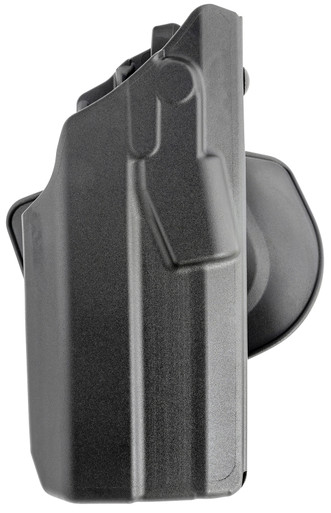
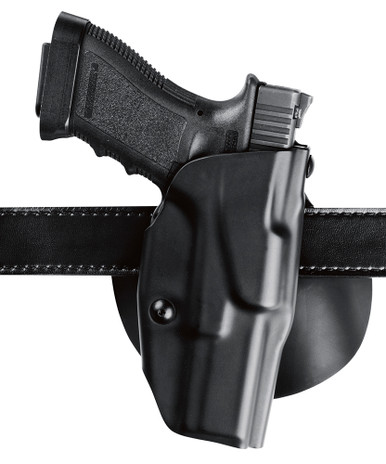
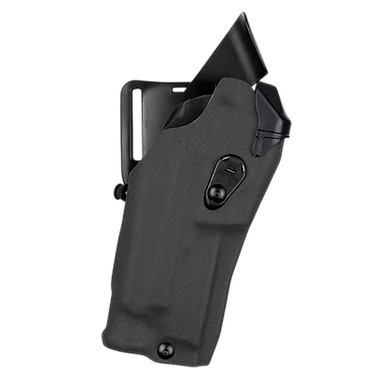
Level II: two locks
Two devices, for example ALS plus a hood. A common choice for patrol and armed security. Ask us if you need a specific Level II model for your gun and light.
Level III: three locks
ALS plus SLS plus the holster body itself. Many agencies issue Level III for uniformed duty because it gives the most gun-grab protection.
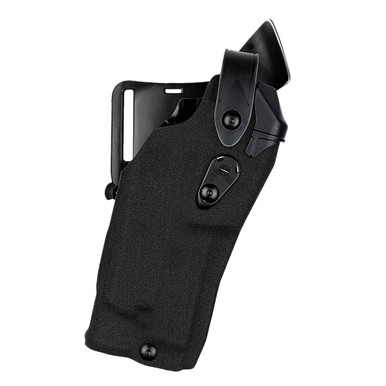
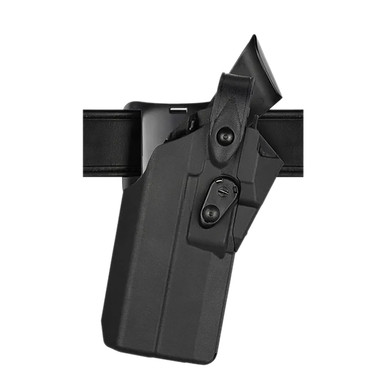
Running a weapon light?
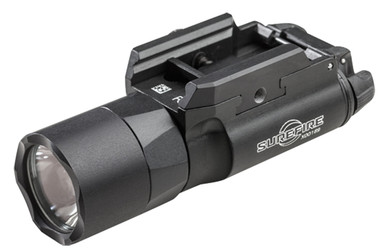
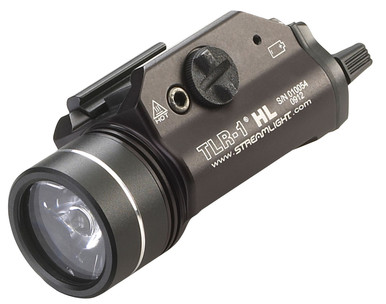
A light-bearing holster is molded for one exact gun-and-light combo. Check the model number before you buy.
| Step | What to check |
|---|---|
| 1. Policy | Your agency may set a minimum retention level. |
| 2. Fit | Exact pistol, optic (RDS cut) and light model. |
| 3. Mount | Belt slide, paddle, mid-ride or drop leg. |
| 4. Hand | Right or left hand. |
| 5. Practice | Train the release until it is automatic. |
Key takeaways
- Level I = 1 lock, Level II = 2, Level III = 3.
- ALS locks automatically; SLS is the rotating hood.
- Light-bearing holsters must match your exact gun and light.
Law enforcement? Ask about our LE program for duty gear.
LE program →